






Creating a relaxing home office environment is essential for maintaining focus, reducing stress, and enjoying your workday. Whether you’re working remotely full-time or just need a dedicated spot to handle tasks, the space where you work can have a big impact on your productivity and well-being. Here are some practical tips to help you design a comfortable, inviting home office that supports relaxation and efficiency.
Choose the Right Location
Prioritize Natural Light
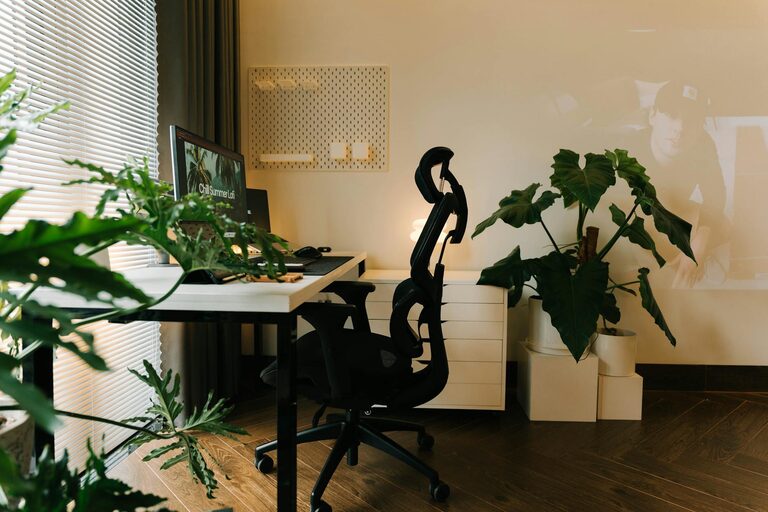
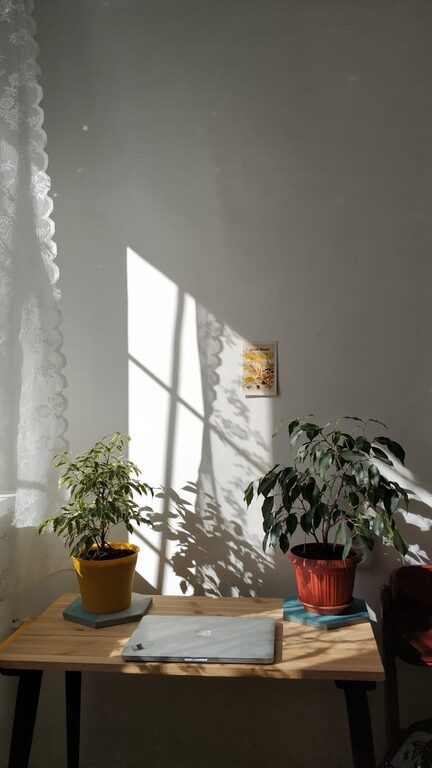
Select a spot in your home that offers plenty of natural light. Sunlight helps improve mood and energy levels, making your workspace more pleasant. If a window is nearby, arrange your desk to take advantage of the light without causing glare on your computer screen.
Minimize Distractions
Pick a quiet area away from high-traffic zones, televisions, or loud appliances. A dedicated space helps create mental boundaries between work and relaxation, making it easier to stay focused.
Invest in Comfortable Furniture
Ergonomic Chair and Desk
Comfort is key. An ergonomic chair supports good posture and reduces back pain, helping you stay comfortable throughout the day. Pair it with a desk at the right height for typing and writing to avoid strain.
Add Soft Textures
Consider a cushioned seat pad or footrest for extra comfort. A soft rug can also add warmth and reduce noise, making the room feel cozy.
Incorporate Calming Colors and Decor
Choose Relaxing Colors
Light, neutral colors such as soft blues, greens, or warm neutrals create a calming backdrop. Avoid overly bright or intense colors that might be distracting or stressful.
Use Plants and Natural Elements
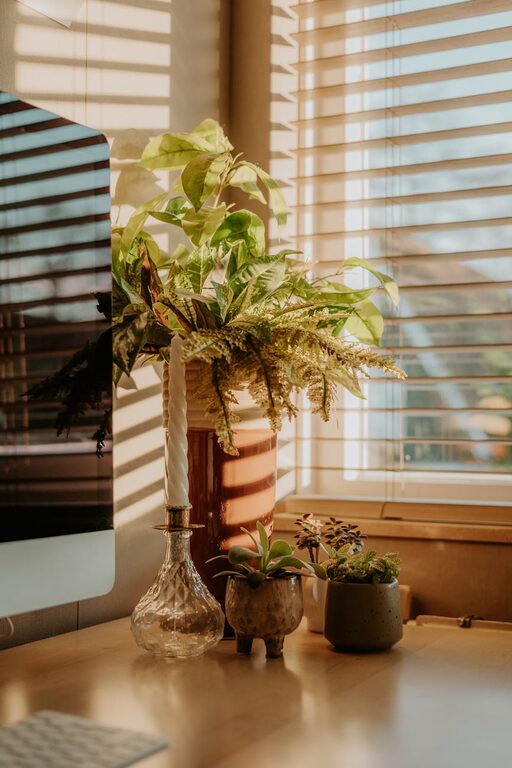
Houseplants bring a bit of nature indoors, improving air quality and adding visual calmness. Even a few small potted plants or a vase of fresh flowers can brighten the space.
Personalize Thoughtfully
Include a few meaningful decorations like photos, artwork, or inspirational quotes, but avoid clutter. Personal touches make the space welcoming without overwhelming it.
Optimize Lighting for Comfort and Focus
Layer Your Lighting
Combine natural light with gentle overhead lighting and a task lamp. Adjustable desk lamps allow you to direct light where you need it most for reading or detailed work.
Avoid Harsh Brightness
Use soft white or warm light bulbs rather than harsh fluorescent bulbs. This reduces eye strain and creates a cozy atmosphere.
Keep Your Workspace Organized
Declutter Regularly
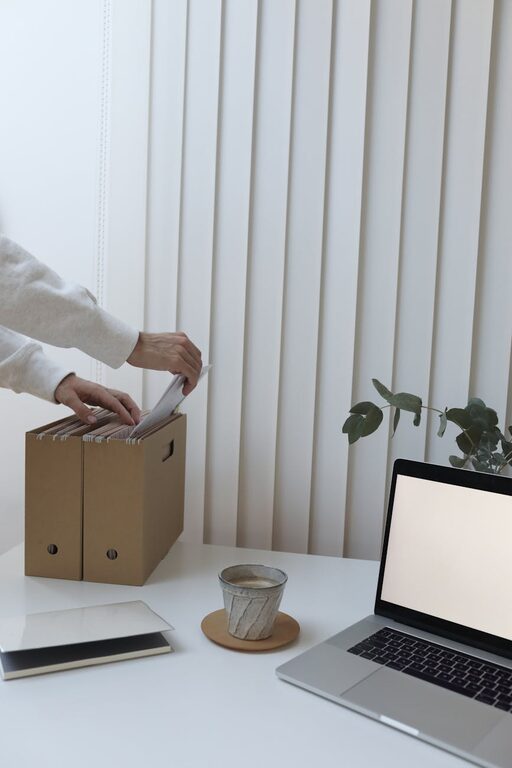
A tidy desk reduces distractions and promotes a clear mind. Use storage solutions such as shelves, drawers, and organizers to keep supplies neatly stored.
Establish a Filing System
Organize paperwork and digital files so important documents are easy to find. This cuts down on stress and saves time.
Add Comfort and Wellness Features
Use a Diffuser or Scented Candles
Mild scents like lavender, eucalyptus, or citrus can enhance relaxation and focus. Be sure to choose scents you find pleasant and avoid anything too overpowering.
Incorporate Break Spaces
If possible, create a small area in or near your office for short breaks. A comfortable chair or a meditation cushion can encourage brief moments of relaxation during your workday.
Manage Noise Levels
Use Noise-Canceling Headphones or Soft Music
If external sounds are distracting, noise-canceling headphones or gentle background music can help maintain concentration. Classical or nature sounds are popular choices.
Soundproof as Needed
Rugs, curtains, and soft furnishings can absorb sound and reduce echo, making your office quieter and more peaceful.
Maintain Good Air Quality and Temperature
Air Circulation
Good airflow makes the room feel fresher and more comfortable. Open windows when possible or use a fan or air purifier.
Control Room Temperature
Keep your space at a comfortable temperature to avoid discomfort or drowsiness. Small heaters or fans can help regulate the climate when necessary.
Create a Routine Around Your Space
Set Work Hours
Having consistent start and end times helps your brain associate your home office with work, and the rest of your home with relaxation.
End Your Day with a Ritual
Before leaving your workspace, tidy up or turn off your computer to signal the end of work. This helps maintain boundaries and allows you to unwind.
—
Creating a home office that feels relaxing and inviting takes some planning, but the benefits are well worth the effort. By choosing the right location, adding comfortable furniture, focusing on soothing colors and lighting, and keeping your workspace organized, you’ll build an environment where work feels less like a chore and more like a positive part of your day. Try these tips to transform your home office into a place you enjoy spending time in every day.